Why It's Hard to Reach B2B Decision-Makers in 2026
Decision-makers filter harder than ever. We look at what's blocking B2B outreach today, and what still gets through.
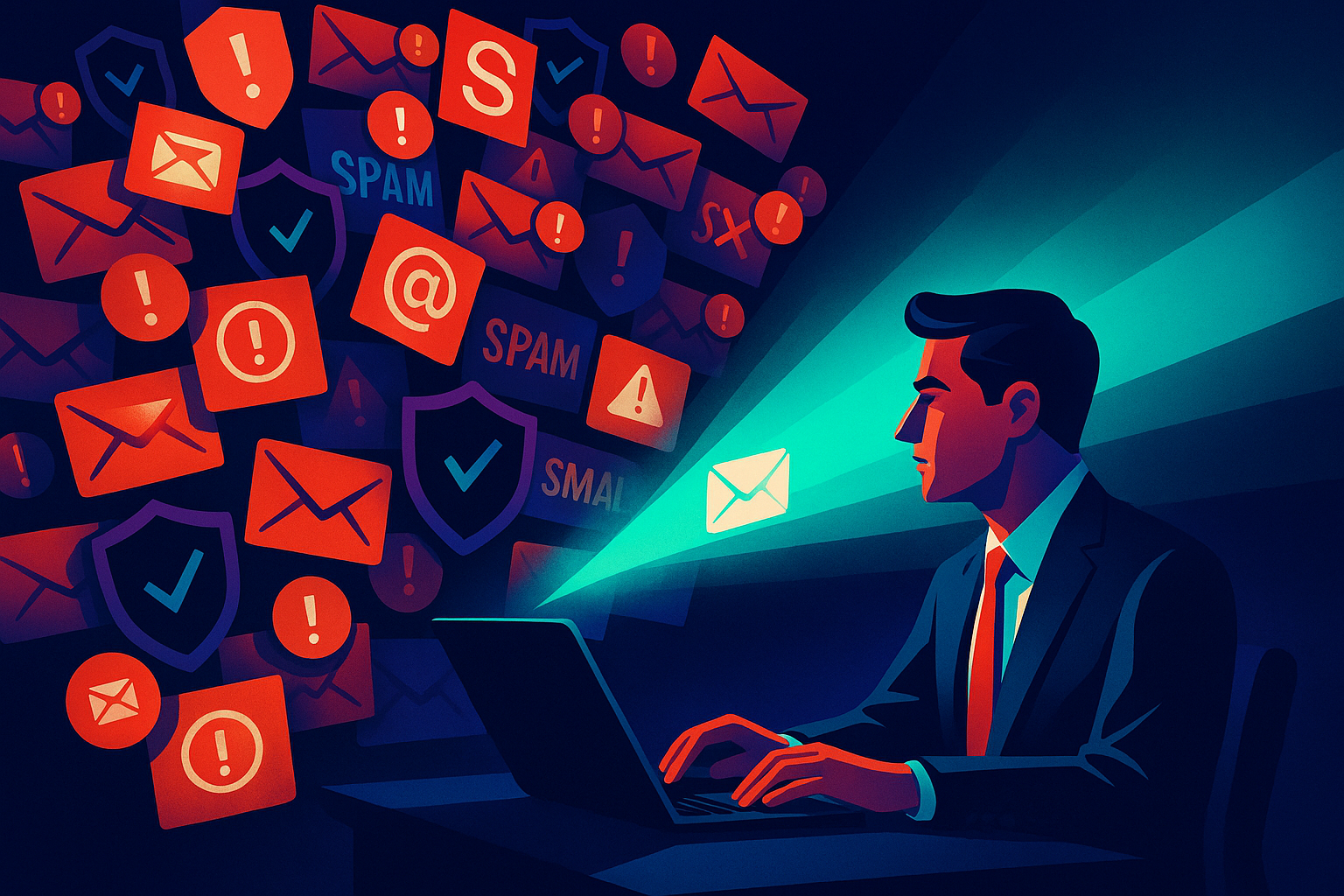
If you've tried to reach a B2B (business-to-business) decision-maker over the past few years, you've probably noticed: it's harder than ever. Nobody picks up the phone. Emails land in the spam folder. LinkedIn messages rarely get a reply. And event organizers couldn't care less about an unsolicited pitch.
This isn't a problem with your offer. By 2026, the defensive reflexes of B2B decision-makers have multiplied, and anyone who doesn't understand why will just push the old, expired methods even harder - with steadily worse results.
What changed in a decision-maker's daily routine?
An average B2B decision-maker receives 50-100 emails a day, at least 20-30 of which are sales pitches. Add the LinkedIn messages, the unknown calls to the company switchboard, and the cold WhatsApp attempts. It's not just other companies competing for their attention - it's also internal colleagues, projects, and deadlines.
So their reflex isn't a personal rejection: it's a practical survival mechanism. The email with the suspiciously salesy tone gets deleted unread, the "could we maybe talk?" type of LinkedIn message gets ignored, and the unknown number goes straight to voicemail.
Spam filters have gotten stronger
The major email providers (Gmail, Outlook, Microsoft 365) have tightened up significantly since 2024. High-volume messages that aren't properly authenticated now stand a good chance of never reaching the inbox at all - they quietly end up in spam or in some intermediate "promotions" type tab.
That means a technically unprepared outreach attempt isn't just ineffective - it's invisible. The decision-maker doesn't fail to reply because they were turned off; they fail to reply because they never even saw it. Today, cold email outreach has minimum requirements: properly configured SPF, DKIM, and DMARC, a warmed-up sending mailbox, and deliverability checks.
LinkedIn is crowded
LinkedIn messages used to count as a personal channel. Today, the inbox is full of automated outreach - most decision-makers see weeks' or months' worth of it. The platform's main filter is simple: if a message smells like a template or carries that salesy "shall we connect?" tone, it just gets skimmed over.
By 2026, LinkedIn message reply rates have fallen to between 1-3% in most industries. Anyone expecting better is either targeting a very narrow audience they already have a relationship with, or is mistaken.
Events won't save you either
For a long time it seemed that professional events - conferences, networking dinners, industry trade shows - sidestepped the digital noise problem. That's still partly true, but the investment events require (travel, tickets, time, follow-up) is high, and a large share of the contacts you meet there never convert into business.
On top of that, events are seasonal: if you need conversations in the middle of summer, the next conference is in the fall. That doesn't give you a predictable pipeline (sales channel) - not even if you have a great events team.
So what still gets through?
Three things work in B2B outreach in 2026: relevance, personalization, and technical cleanliness. An email that speaks directly to the recipient company's situation, addresses them by name, and contains just one small ask (a 15-minute conversation at a specific time) gets a meaningfully different reception than a generic pitch.
Visual simplicity matters too. A fancy, image-heavy, branded "newsletter-style" email is an instant signal - to both the algorithms and the decision-maker - that this is marketing, ignore it. A plain-text, personal, short message has a much better chance.
The third, less obvious factor is timing. A decision-maker who happens to be thinking about the exact problem that week will often reply immediately to a relevant message. Someone who isn't won't reply later either - and you can figure this out not from the level of overt interest, but from the company's situation (a new executive, a recent bad quarter, a freshly announced strategy, layoffs, or expansion).
What does a managed solution add to this?
A managed B2B email outreach service (like b2brelay.com) works on exactly these factors. We research recipient by recipient: who they are, what their company's situation is, what's the latest news about them. We write a personal, short introductory message. We send from dedicated, warmed-up mailboxes, technically clean. Your main company mailbox stays untouched.
We classify the replies and forward only the genuinely interested ones to your sales team. You step into conversations that are already warm, rather than into a cold introduction.
Summary
Reaching a B2B decision-maker in 2026 is harder than it was five years ago, because they're defending themselves, the filters are stricter, and the platforms are more crowded. But anyone who prioritizes relevance, personalization, and technical cleanliness can still get through - and today, perhaps even more effectively than before.
If you'd like to see what outreach like this looks like in practice, and what reply rate is realistic in your own field, book an introductory call at b2brelay.com.
Let's talk about your own campaign.
On a 30-minute intro call we'll look at who's worth reaching and what you can realistically expect.
Book a call